Higher load capacity from a lighter wide-flange starting section.
Optimized for PEMB efficiency and faster steel procurement
Reduce steel costs by 30–40% without compromising performance.
Castellated beams deliver greater strength, longer spans, and lower material costs by using lighter steel sections to achieve the performance your project is already specifying.
30–40%
Potential steel-cost reduction when castellated beams replace overbuilt conventional sections.
Up to 6 months
Lead-time pressure avoided by using lighter steel sizes that are often more readily available.
Longer spans
Achieve more open layouts without automatically increasing tonnage.
Why it matters
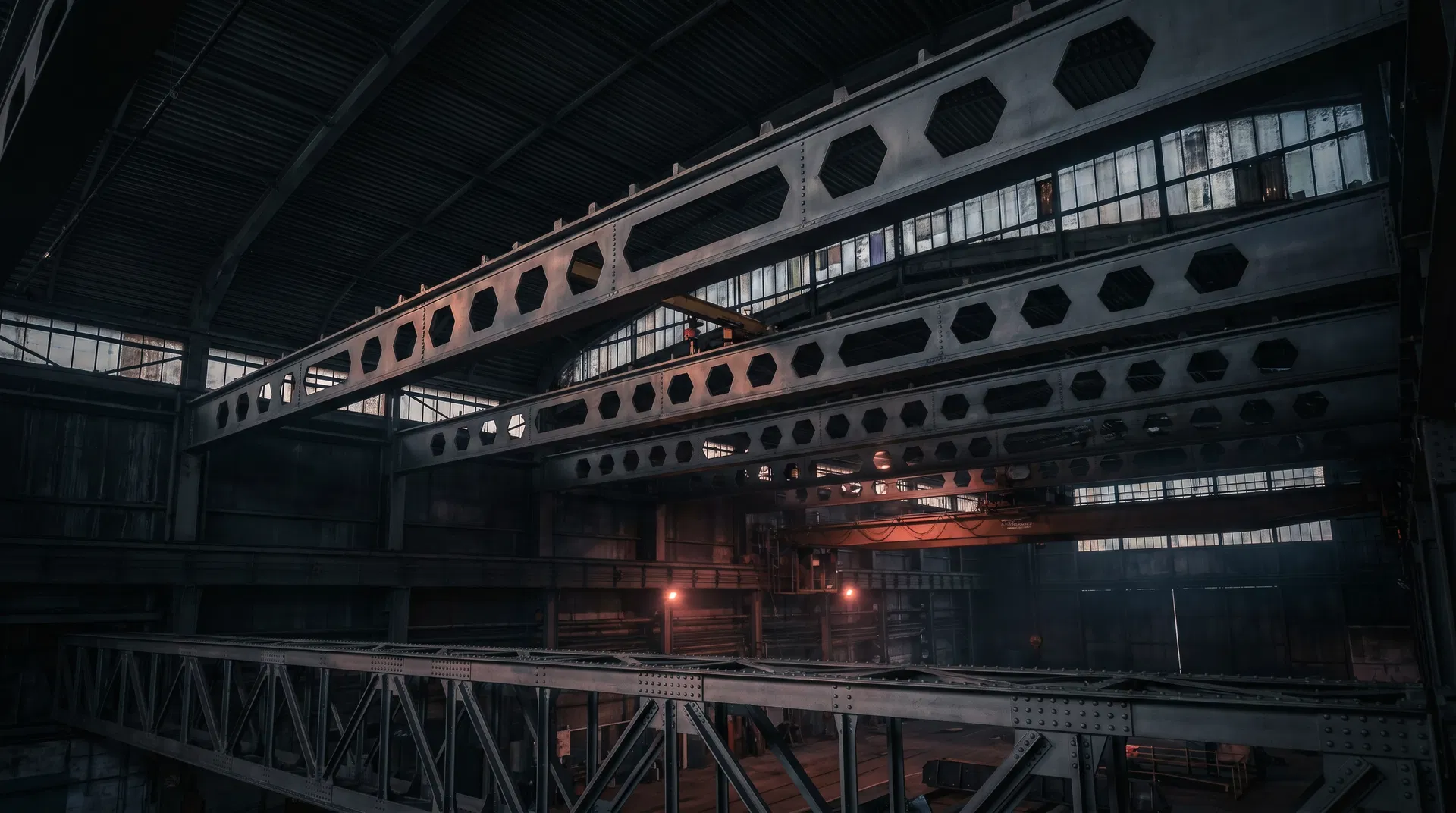
Greater beam depth means better structural efficiency from lighter starting sections.
The Cost Pressure
Steel prices are not easing, and many traditional PEMB designs still force more tonnage than the project truly needs.
At the same time, many of the standard heavier sections being called for are seeing extended lead times because demand from the data-centre market continues to absorb capacity.
That usually means:
Higher upfront costs when heavier sections are specified by default.
Heavier structures that reduce efficiency per ton of steel.
Long lead times on common PEMB sections due to sustained data-centre demand.
Missed opportunities to use lighter, more available sections and move faster.
The structural advantage
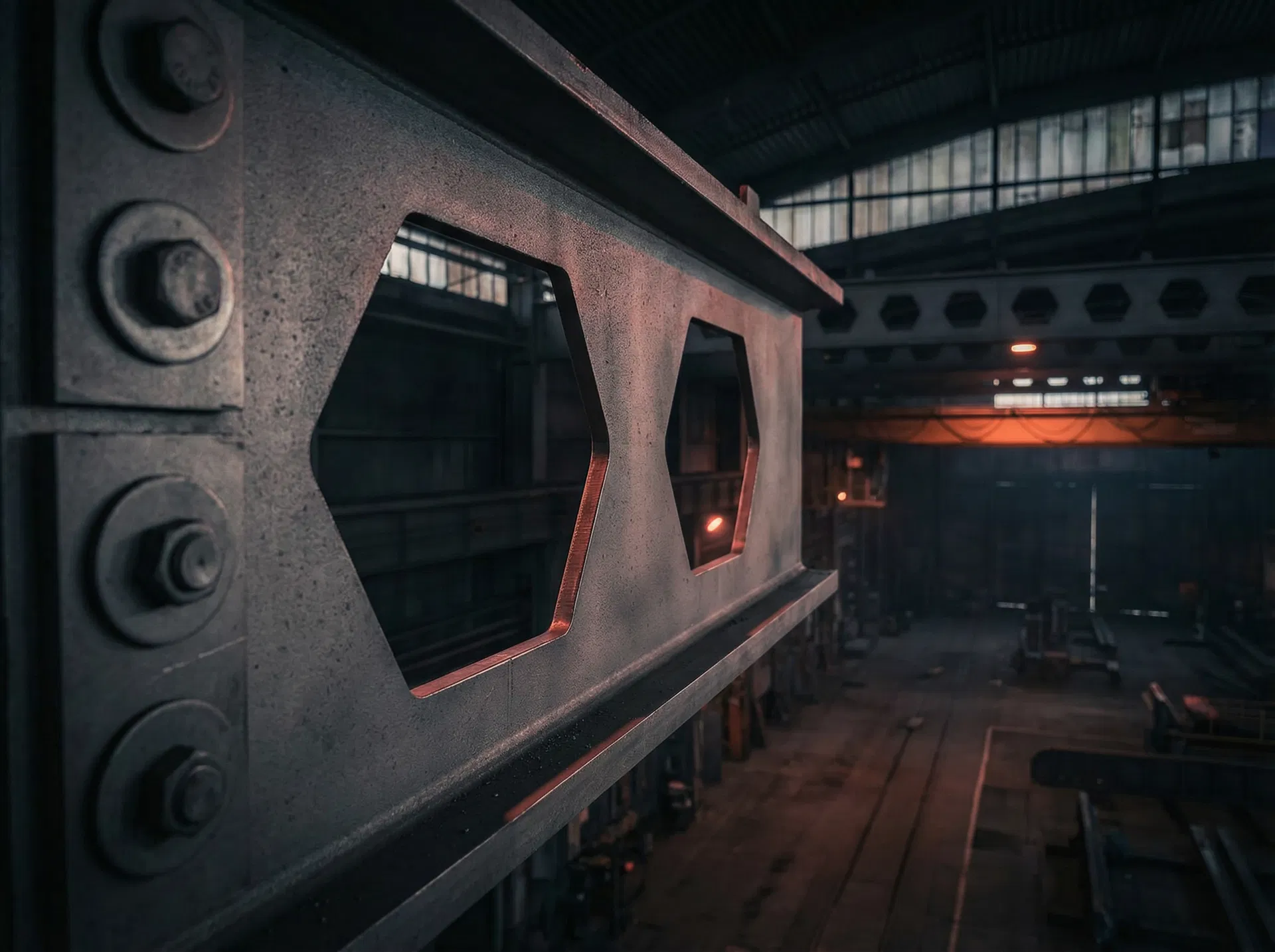
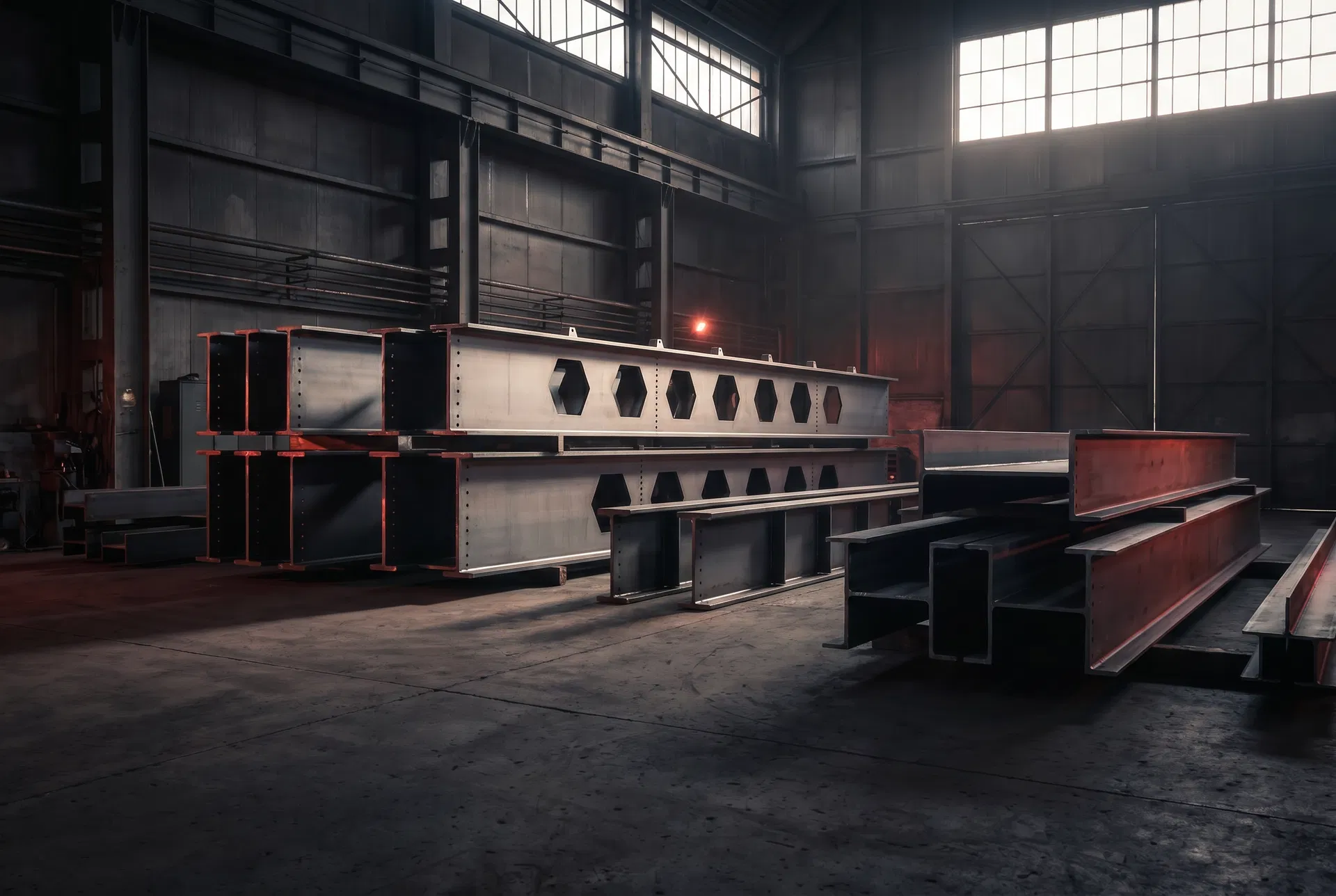
Castellated beams unlock more performance from a much lighter wide-flange beam.
By increasing beam depth through a precision cutting and rejoining process, you can capture better strength-to-weight efficiency without simply adding mass.
Reduced total steel tonnage across the structure.
Improved structural efficiency for span-driven applications.
Project-level benefits
Better beam efficiency compounds across cost, logistics, and schedule.
Up to 40% greater strength potential without adding beam weight.
Lower steel costs across the whole structure, not just one member.
Fewer materials to coordinate, ship, and install on site.
Lower total project cost with better section availability.
Lower steel spend
Less unnecessary tonnage means costs can drop before fabrication even begins.
Higher performance density
More usable structural performance from the same or lighter base section.
Simpler logistics
Fewer materials and better availability help the job move with less procurement friction.
Schedule resilience
Lighter sizes are often more available, helping reduce waits that can otherwise stretch toward six months.
Traditional steel vs castellated beams
Stop buying weight when what the structure really needs is efficiency.
Conventional selection often defaults to more steel. Castellated beams create a better performance profile by putting depth to work.

CategoryTraditional SteelCastellated Beams
Steel requiredMore steel required ✕Less steel required ✓
Span efficiencyShorter spans ✕Longer spans ✓
Cost per sq ftHigher cost per sq ft ✕Lower cost per sq ft ✓
Procurement flexibilityHeavier sizes can be harder to source quickly ✕Lighter sizes are often easier to source ✓
How the review works
Add smarter beam depth, remove unnecessary steel spend.
Start with the target loads
We evaluate where conventional beam selection is driving unnecessary weight or lead-time risk.
Rework the section intelligently
Castellation increases effective beam depth through a precision cut-and-rejoin process that improves efficiency.
Compare cost and performance
You receive a side-by-side view of tonnage, availability, and structural benefit before committing.
Final call to action
Stop overpaying for steel.
If you are sizing PEMB framing, we can show where castellated beams may cut weight, improve span efficiency, and reduce material cost without giving up structural performance.
Request the free comparison
Start with your current spans, loading criteria, or framing concept. A side-by-side comparison quickly shows where castellated beams may cut tonnage and improve efficiency.